
Instead of abrupt starts and stops, easing functions create a sense of acceleration and deceleration. Use ease-in for gradual starts and ease-out for soft landings.

Making Motion Work for UI Design
Motion should serve a purpose—whether it’s drawing attention, providing feedback, or making navigation smoother.
Master Easing for Natural Flow: Easing functions like ease-in-out mimic the way objects move in the real world, making animations feel fluid rather than mechanical.
Use Keyframes to Tell a Story: A simple movement can be enhanced with keyframes that introduce rotations, bounces, or gradual scaling effects.
Integrate Motion into User Interactions: Animations triggered by clicks, drags, or hovers add an extra layer of engagement and responsiveness.
Improve Navigation with Scroll-Based Animation: Content that appears dynamically as users scroll creates a sense of flow and progression.
When used thoughtfully, animation enhances both aesthetics and functionality.

Animations should feel purposeful, guiding users through interactions in a way that feels intuitive and engaging.
Easing for Smooth Transitions: Avoid abrupt movements by using easing functions that slow down motion naturally.
Keyframes for Layered Motion: Multi-step animations make interactions feel richer, adding depth and personality to UI elements.
Motion-Enhanced Interactions: Buttons that expand on hover or elements that react to drag movements make the experience more immersive.
Scroll-Based Motion for Dynamic Layouts: Content that loads progressively as users scroll creates a more engaging experience.
Instead of abrupt starts and stops, easing functions create a sense of acceleration and deceleration. Use ease-in for gradual starts and ease-out for soft landings.
Making Motion Work for UI Design
Motion should serve a purpose—whether it’s drawing attention, providing feedback, or making navigation smoother.
Master Easing for Natural Flow: Easing functions like ease-in-out mimic the way objects move in the real world, making animations feel fluid rather than mechanical.
Use Keyframes to Tell a Story: A simple movement can be enhanced with keyframes that introduce rotations, bounces, or gradual scaling effects.
Integrate Motion into User Interactions: Animations triggered by clicks, drags, or hovers add an extra layer of engagement and responsiveness.
Improve Navigation with Scroll-Based Animation: Content that appears dynamically as users scroll creates a sense of flow and progression.
When used thoughtfully, animation enhances both aesthetics and functionality.
Animations should feel purposeful, guiding users through interactions in a way that feels intuitive and engaging.
Easing for Smooth Transitions: Avoid abrupt movements by using easing functions that slow down motion naturally.
Keyframes for Layered Motion: Multi-step animations make interactions feel richer, adding depth and personality to UI elements.
Motion-Enhanced Interactions: Buttons that expand on hover or elements that react to drag movements make the experience more immersive.
Scroll-Based Motion for Dynamic Layouts: Content that loads progressively as users scroll creates a more engaging experience.
Posted on:
November 12, 2024
Author:
Mark Hanry


Posted on:
November 12, 2024
Author:
Mark Hanry
Related Blogs
Related Blogs


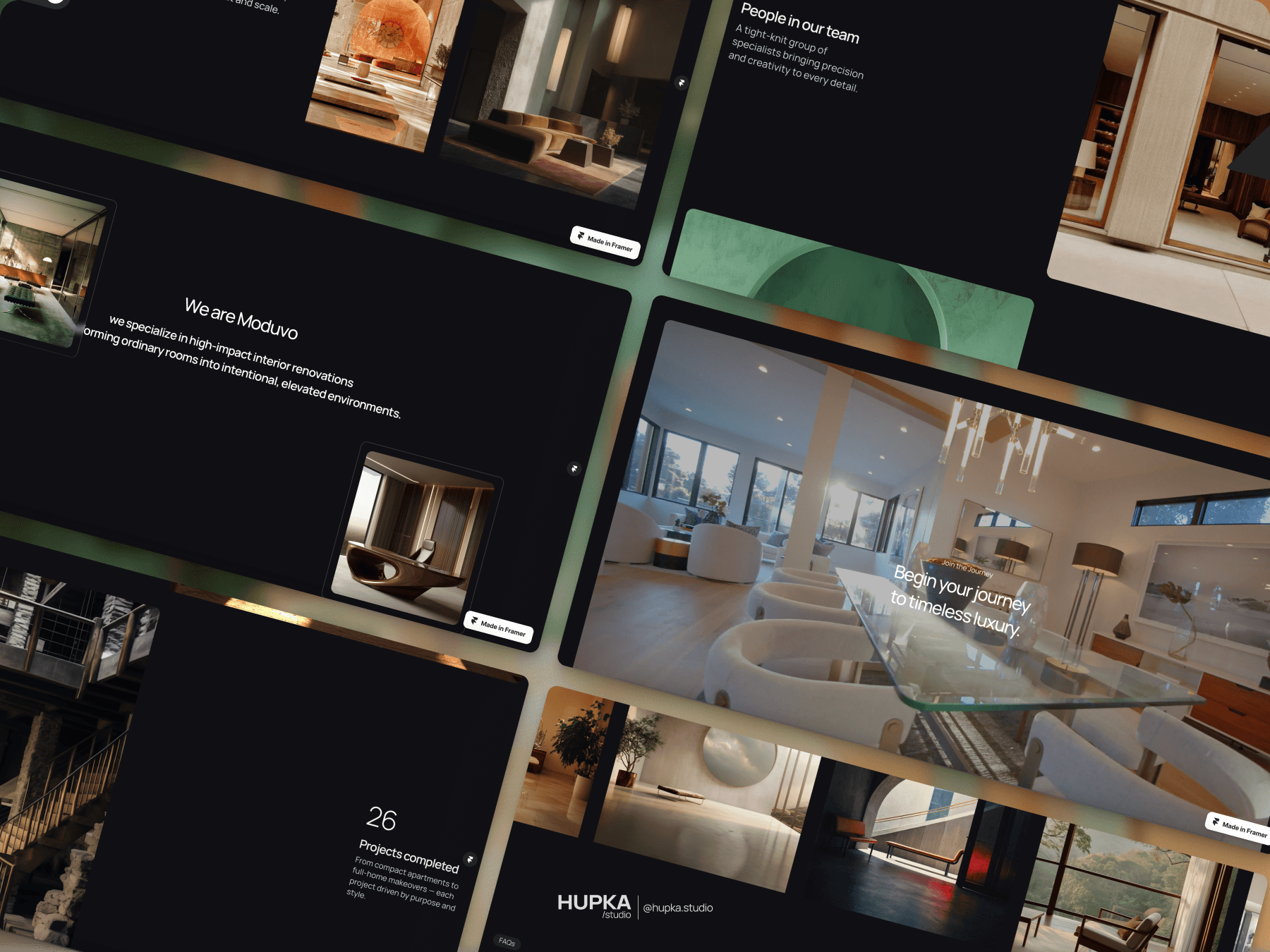
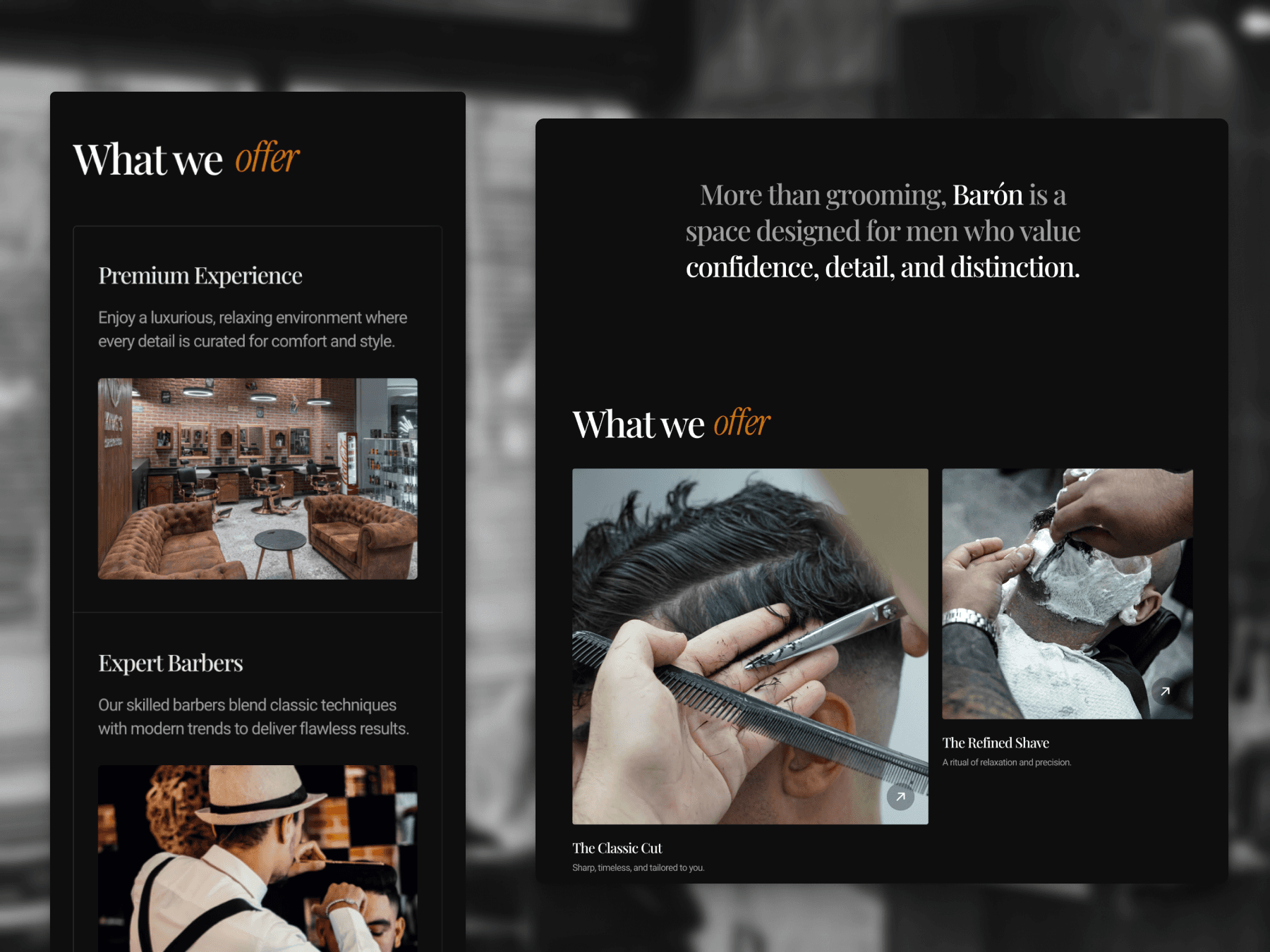
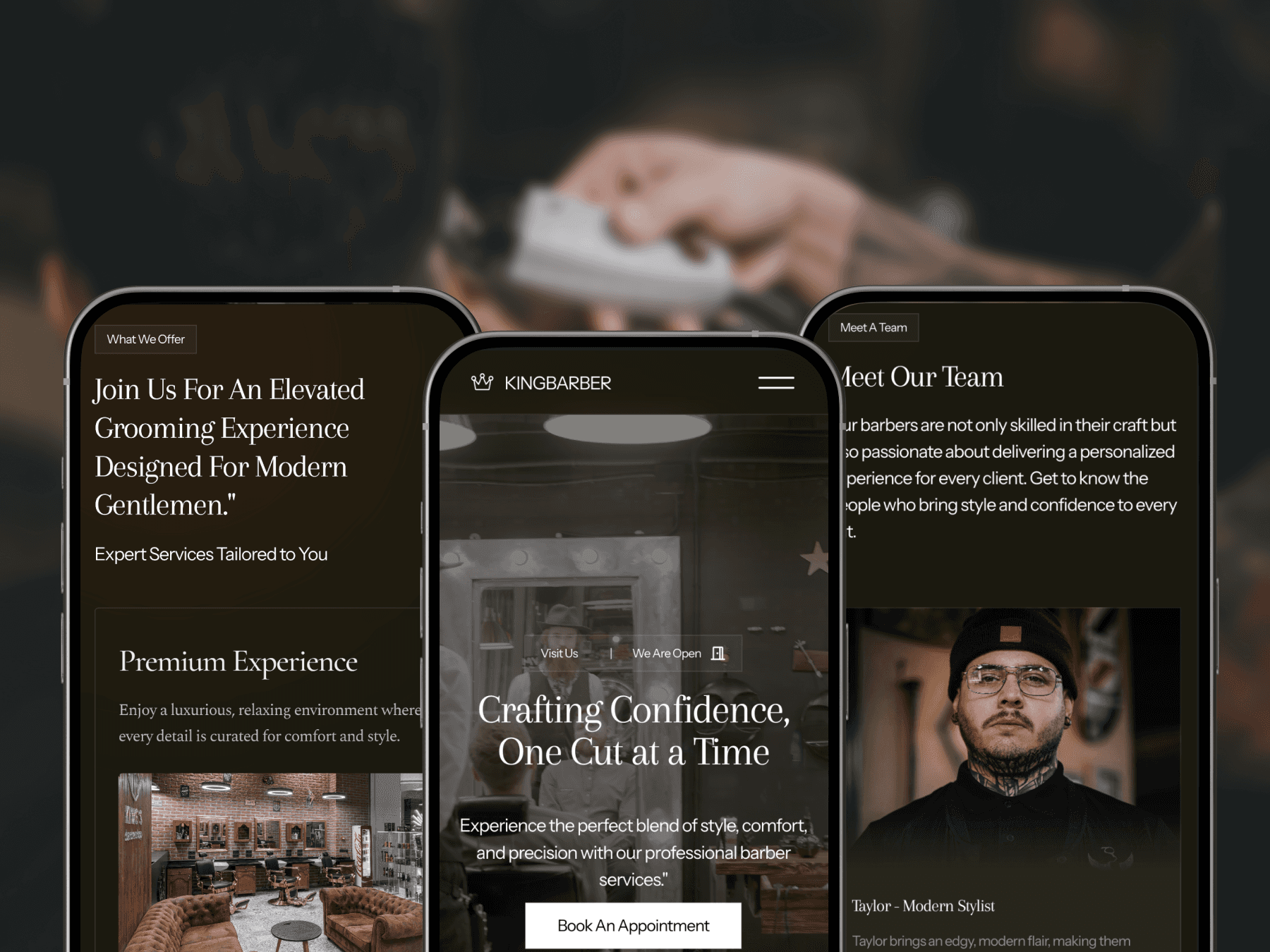
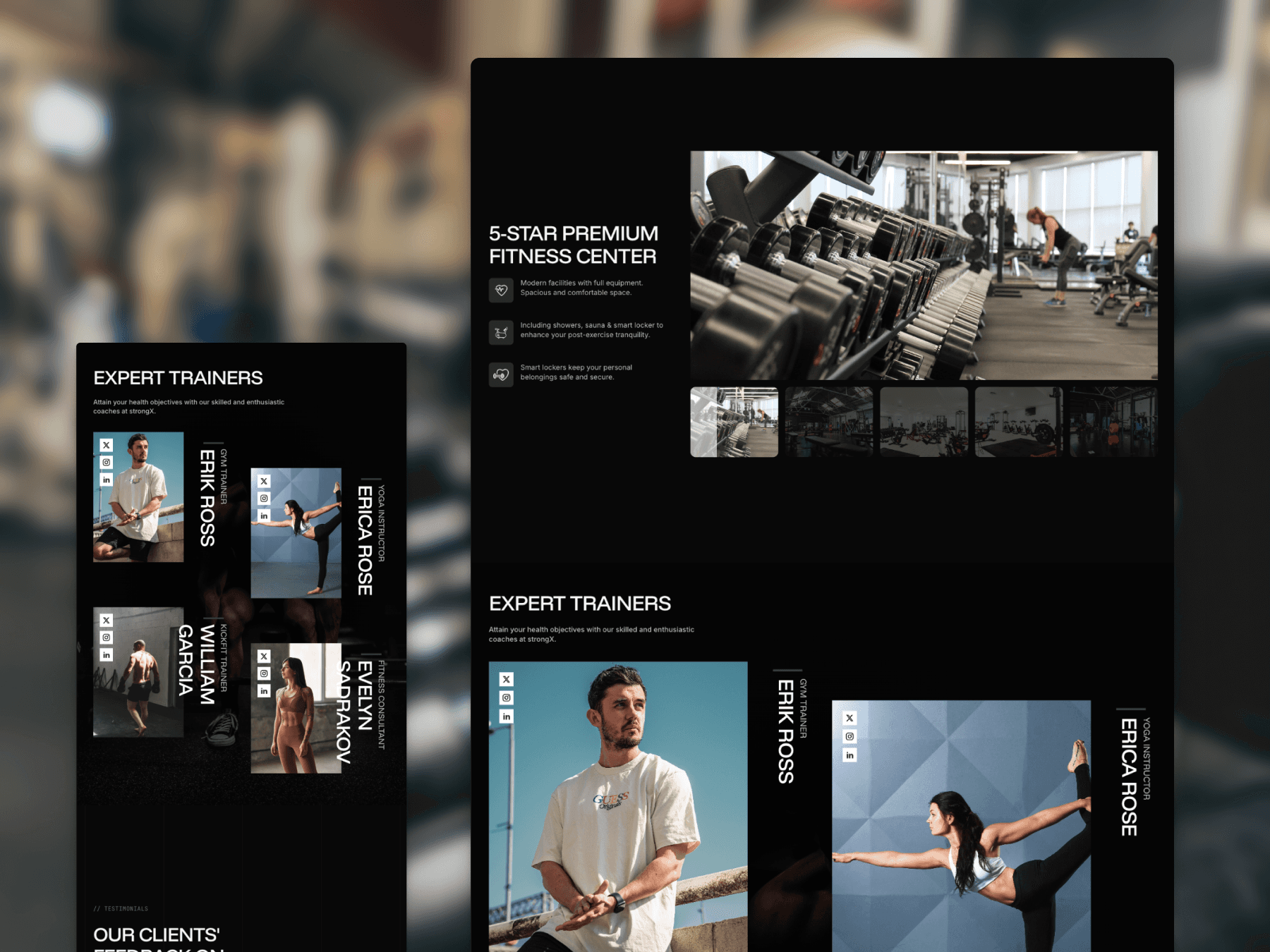
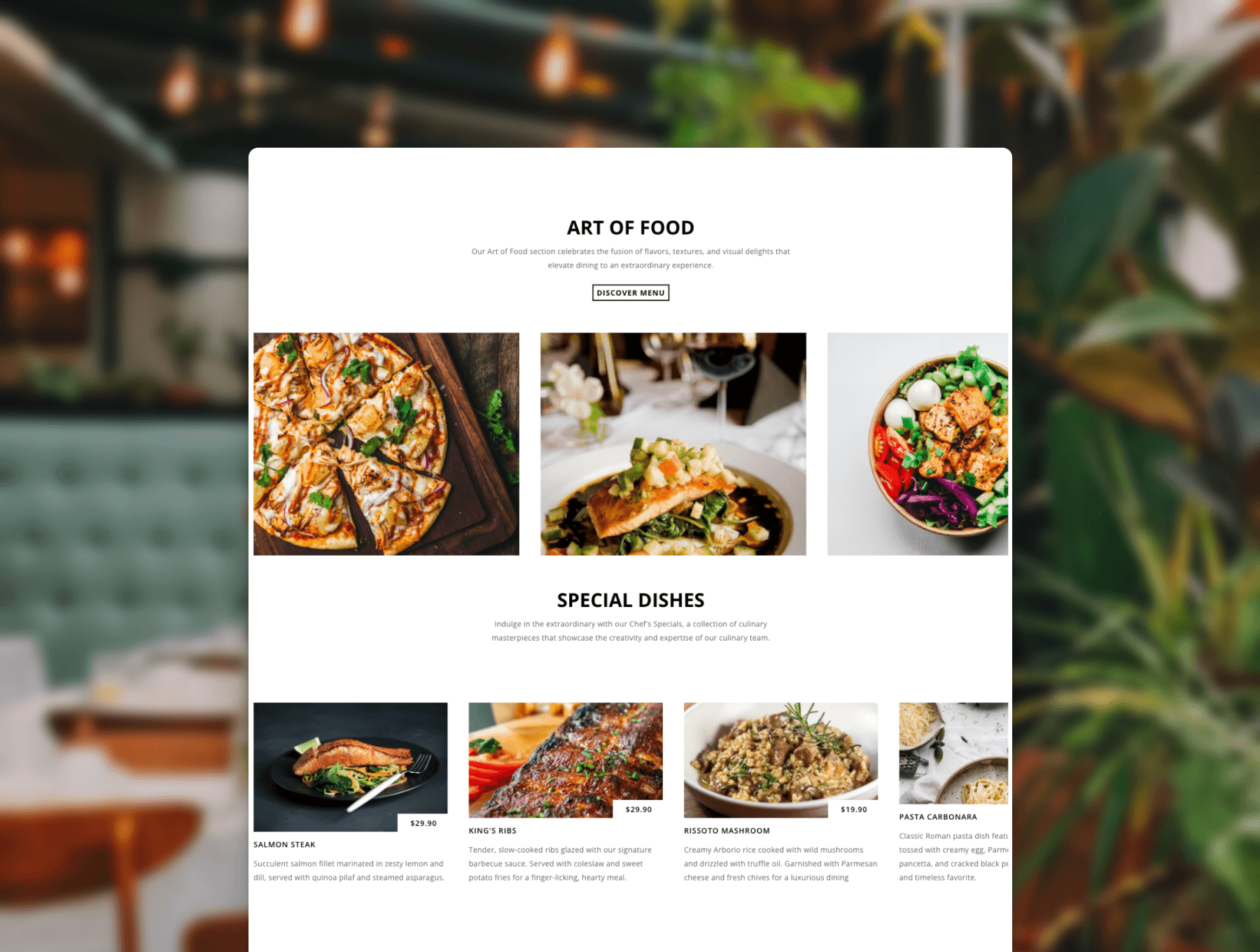
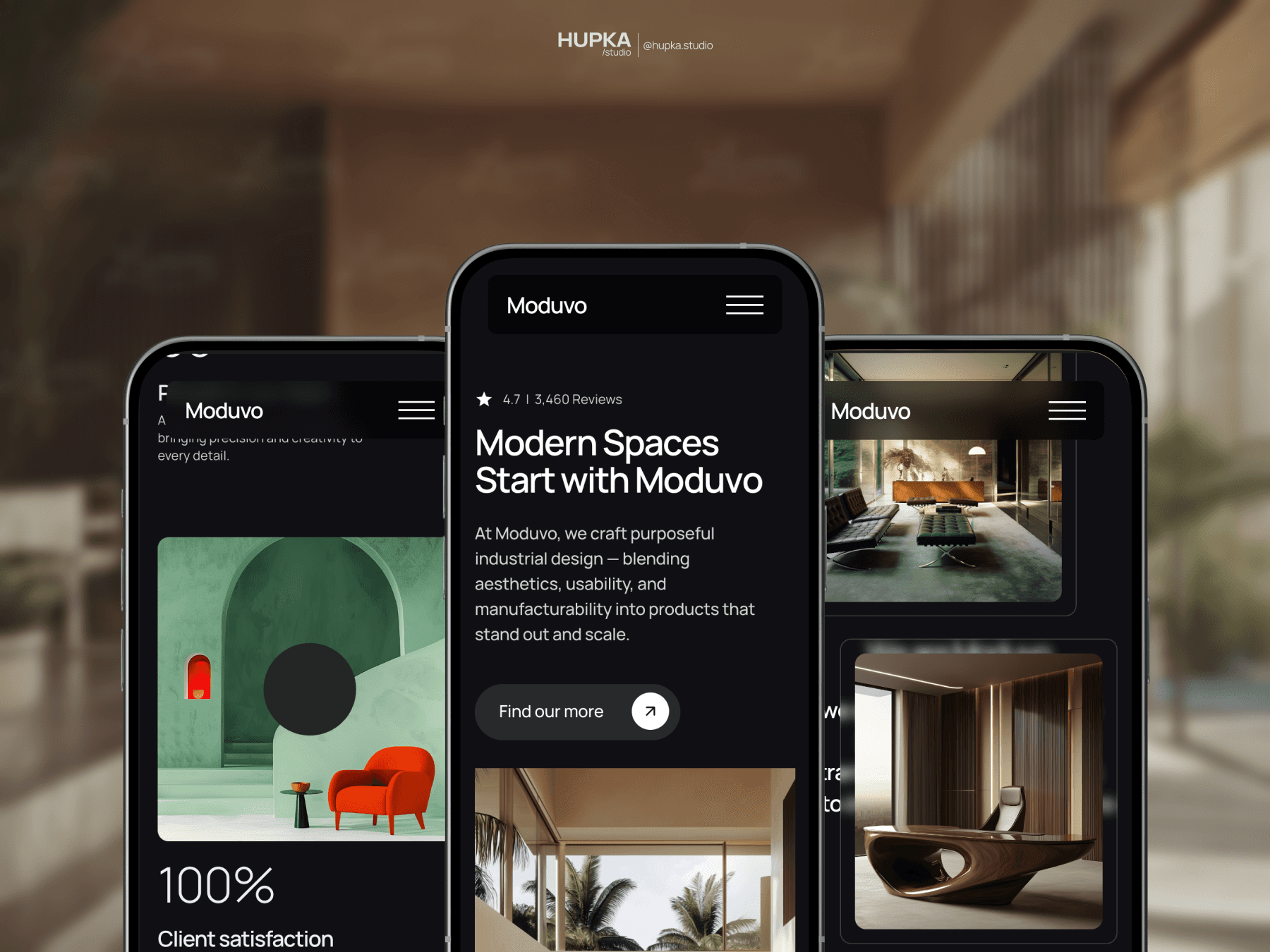
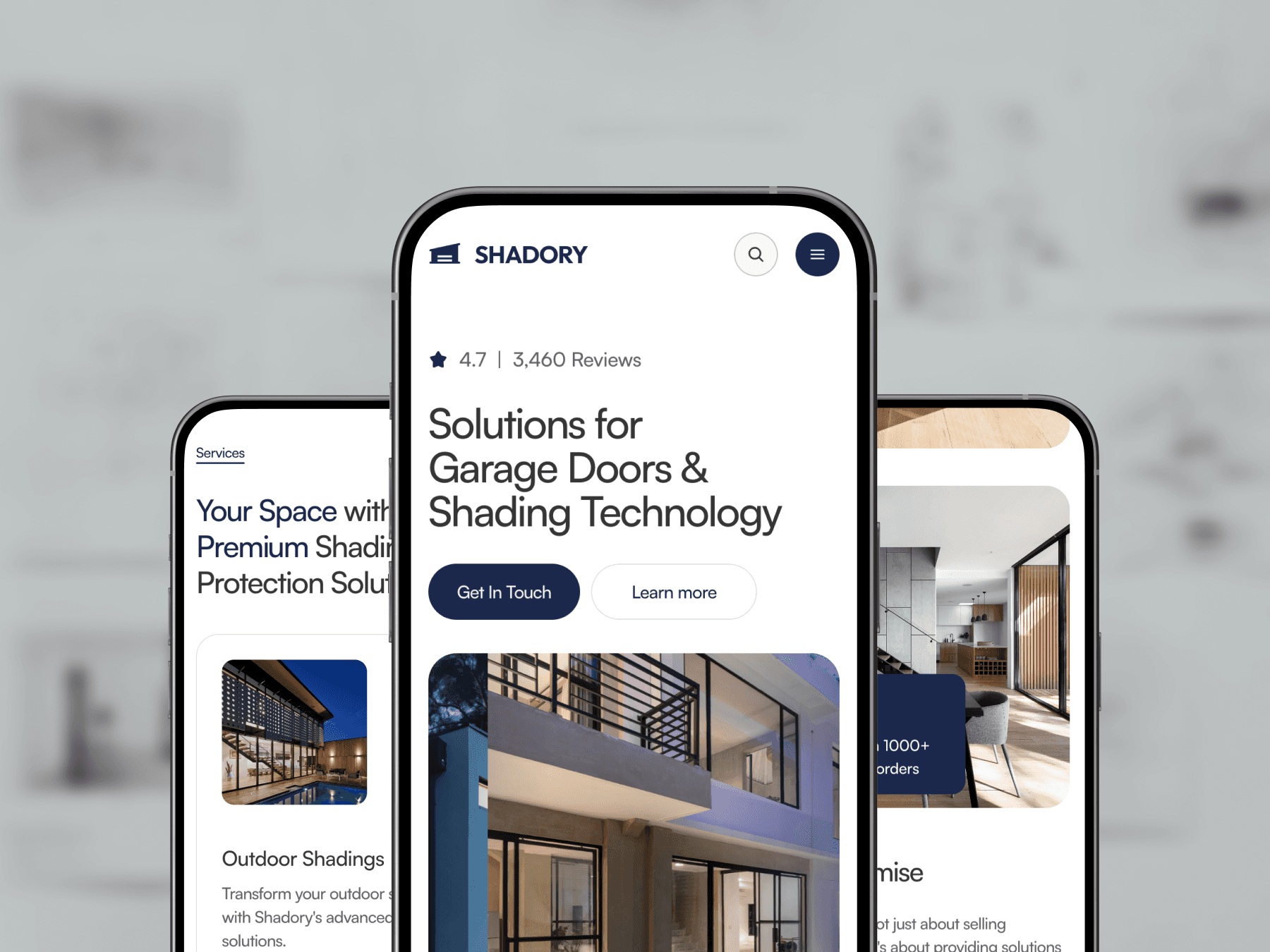
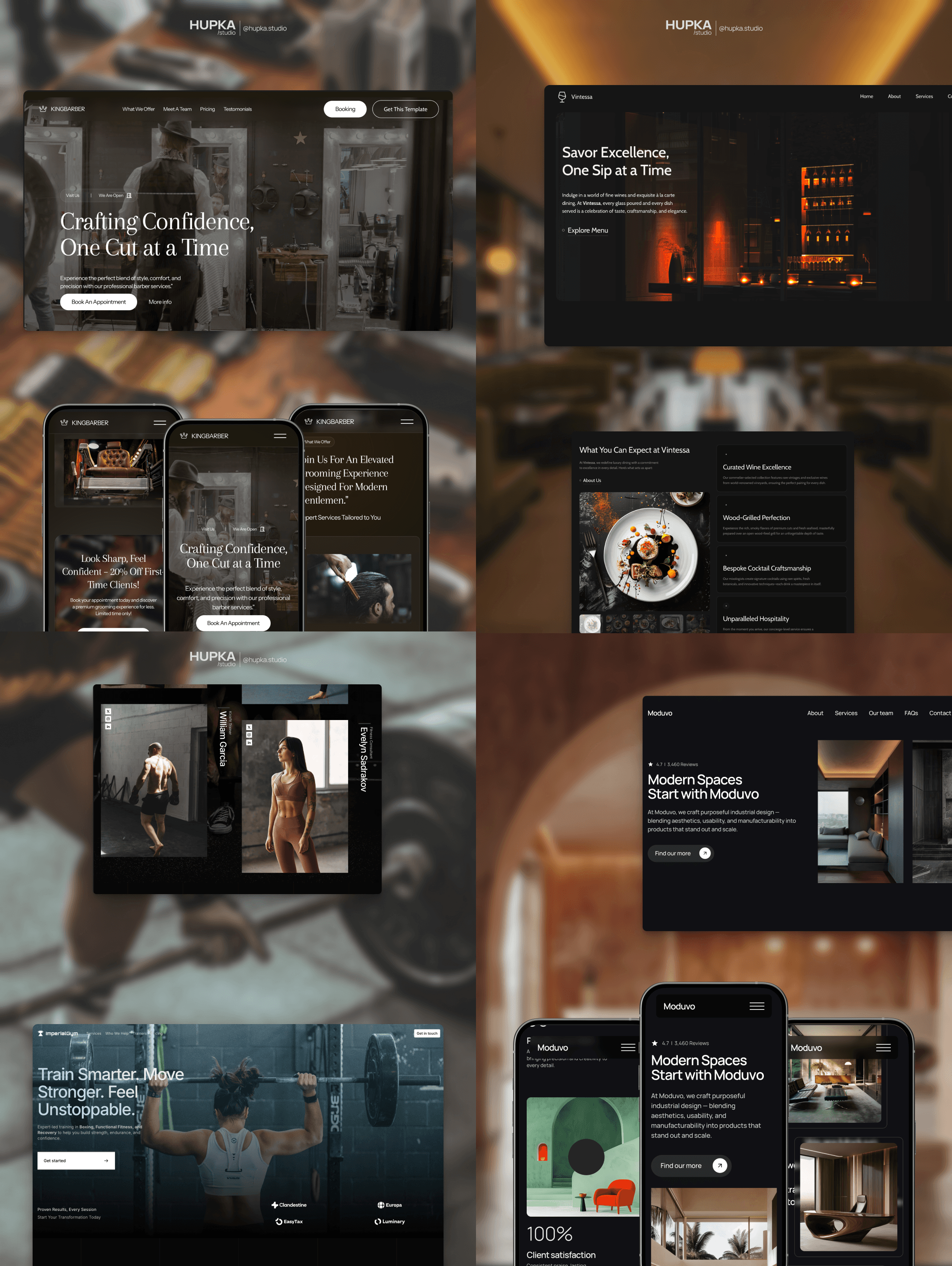
Comming Soon
Get Membership with unlimited template
Unlock the full potential of your designs with a membership that offers unlimited access to our entire library.
Comming Soon
Get Membership with unlimited template
Unlock the full potential of your designs with a membership that offers unlimited access to our entire library.
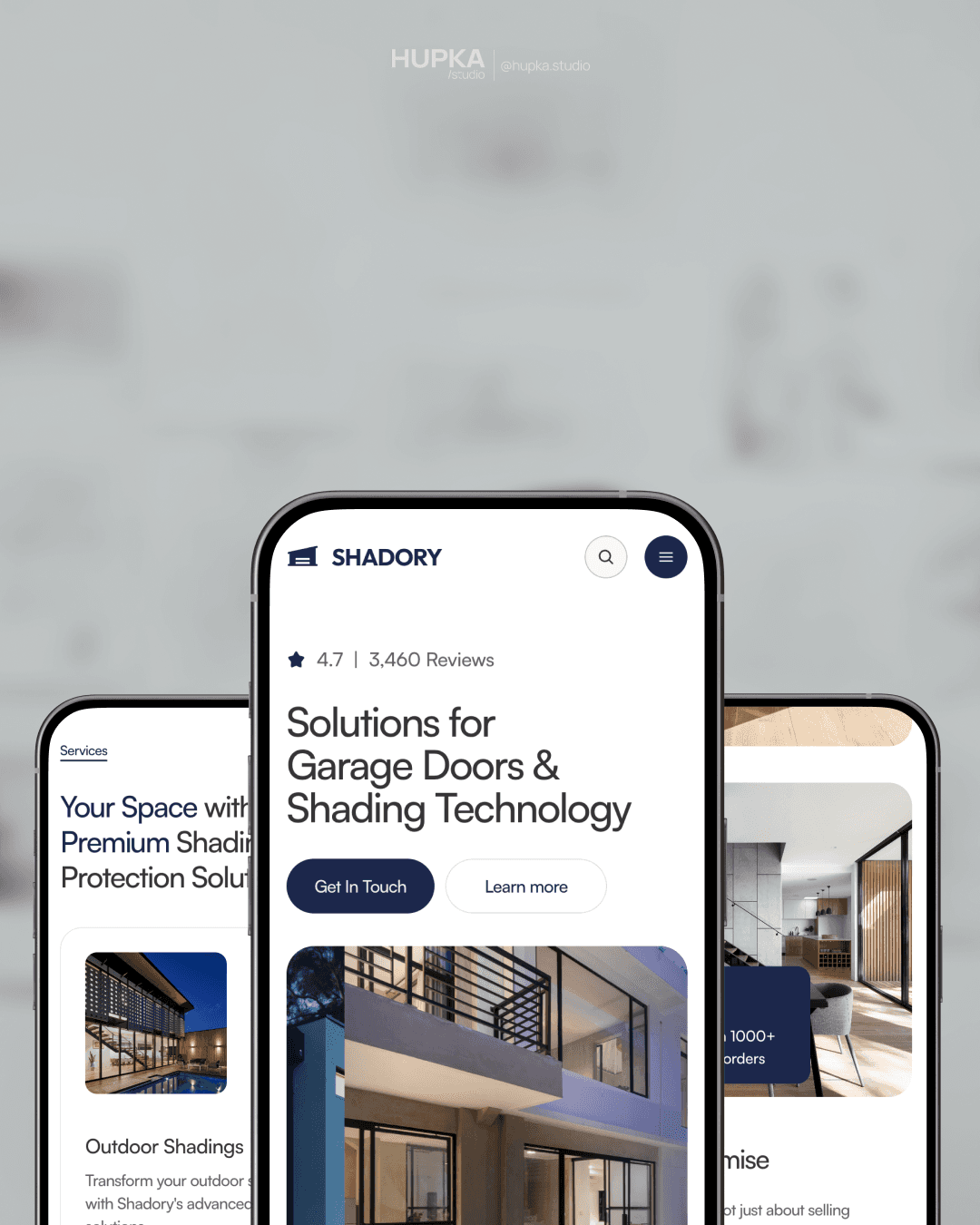
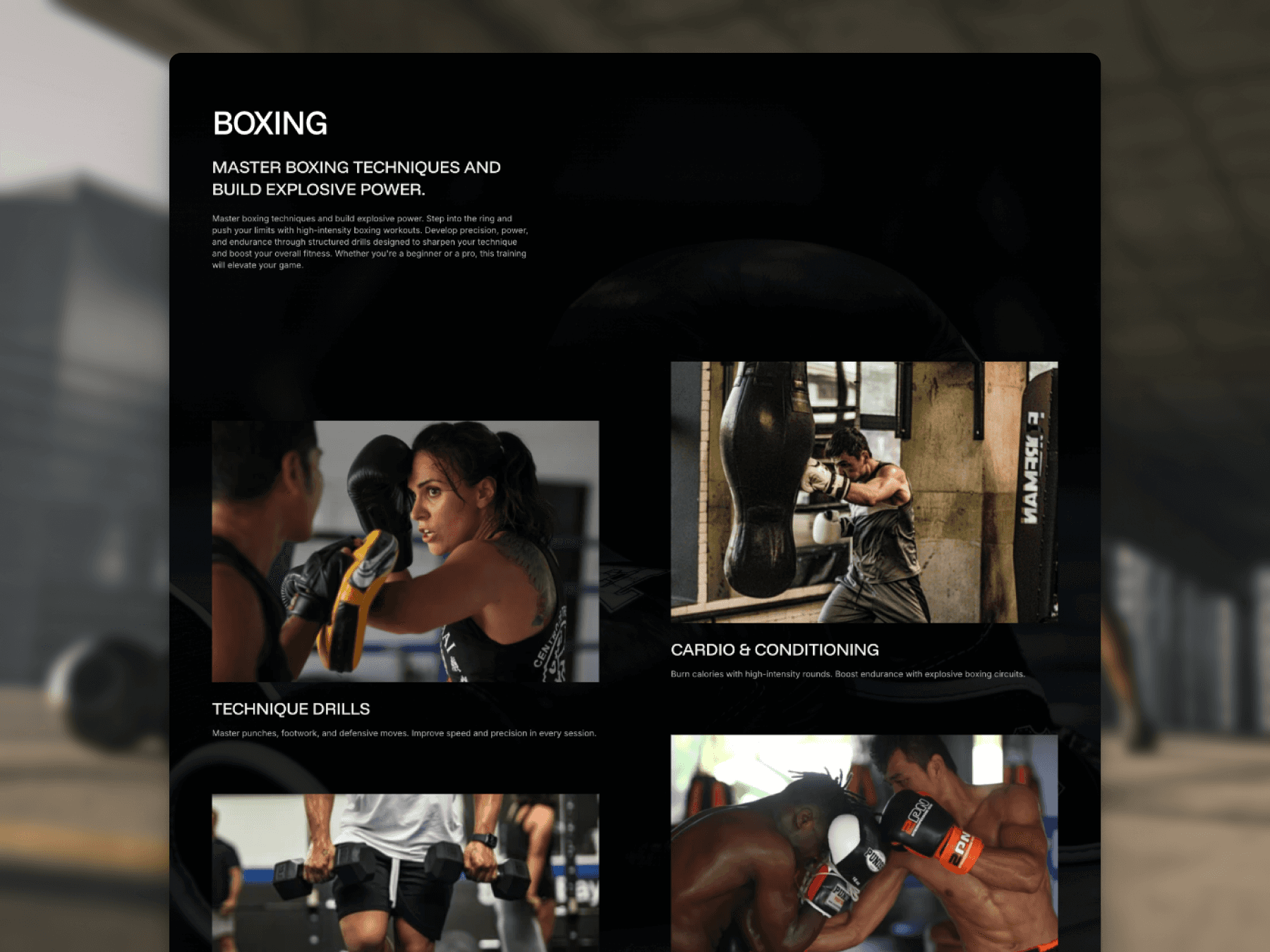
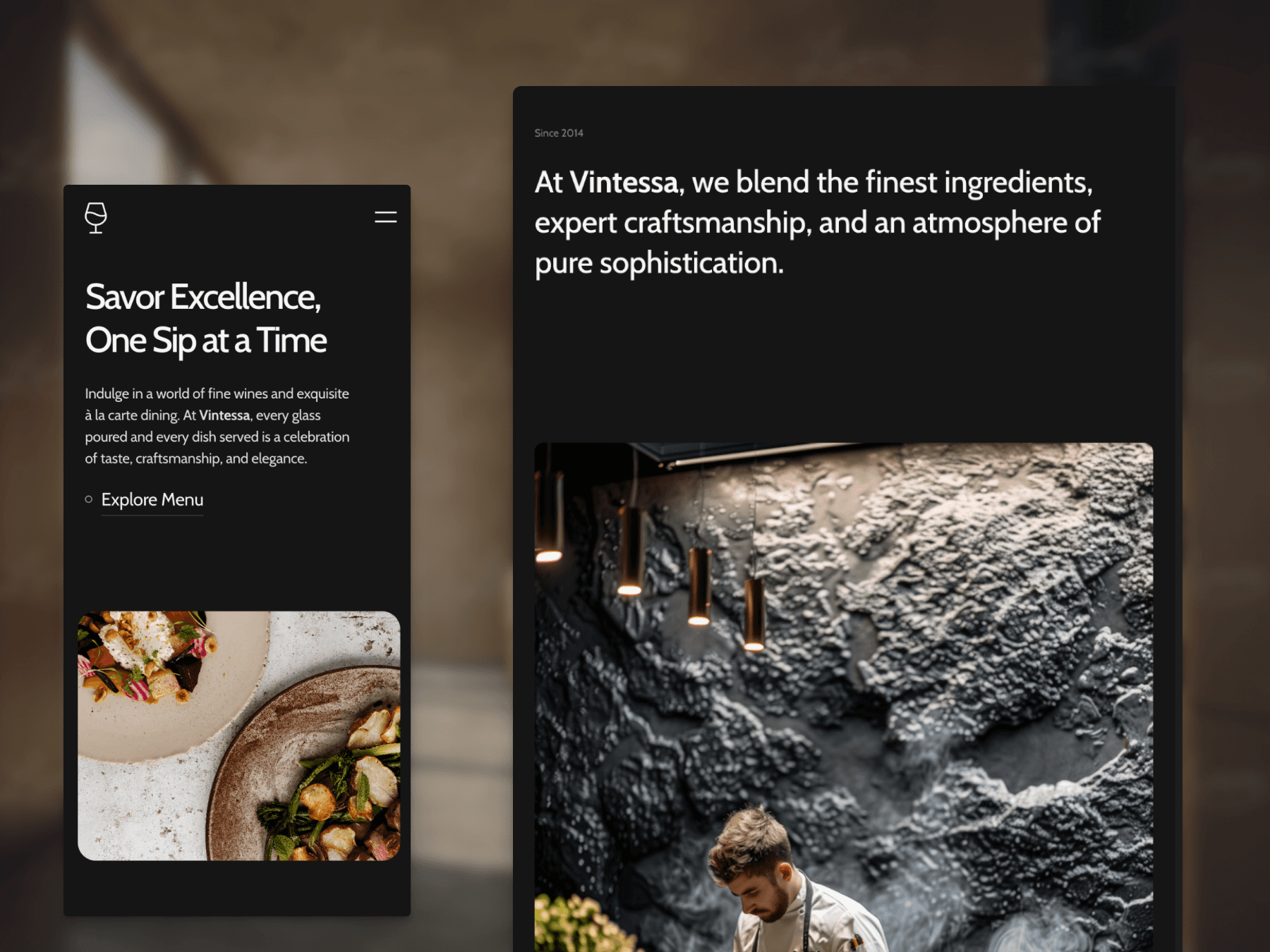
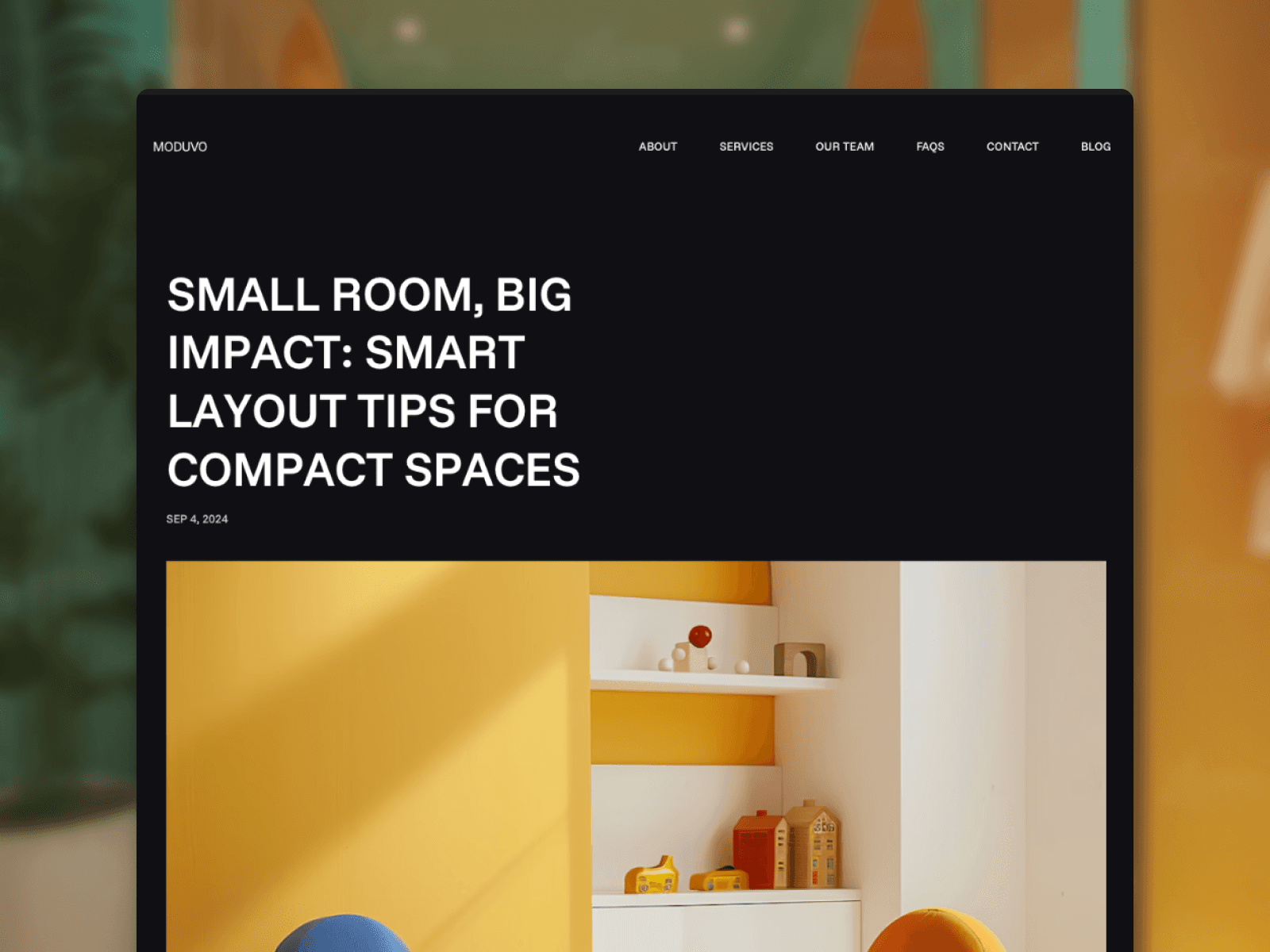
Comming Soon
Get Membership with unlimited template
Unlock the full potential of your designs with a membership that offers unlimited access to our entire library.
Frequently Asked Questions
Unlock the full potential of your designs with a membership that offers unlimited access to our entire library of premium templates and components.
Frequently Asked Questions
Unlock the full potential of your designs with a membership that offers unlimited access to our entire library of premium templates and components.
Frequently Asked Questions
Unlock the full potential of your designs with a membership that offers unlimited access to our entire library of premium templates and components.
How can I download or purchase a template?
All templates are available through Lemon Squeezy, a secure and easy-to-use platform that handles payments and downloads. Once you complete your checkout (or get a free one), you’ll receive an instant download link and lifetime access to any updates.
What kinds of websites can I build with your templates?
Each template is designed to be adaptable for any niche — from creative portfolios and personal brands to agency websites and service-based businesses. You can easily adjust colors, fonts, sections, and images directly in Framer, no coding required.
How often do you release new templates?
I’m constantly experimenting with new design ideas and typically release new templates every few weeks. The goal is to provide a diverse collection that fits different industries, styles, and goals.
Do you offer template bundles or discounts?
Yes! A template bundle option is currently in the works — it will let you get access to all premium templates for a fixed, discounted price. Stay tuned or subscribe to my newsletter to be notified when bundles go live.
Can I use your templates for client projects?
Yes — you’re welcome to use both free and paid templates for personal or client work. You can fully customize them and even combine different sections across templates. The only restriction is that you can’t resell or redistribute the templates as your own.
How can I download or purchase a template?
All templates are available through Lemon Squeezy, a secure and easy-to-use platform that handles payments and downloads. Once you complete your checkout (or get a free one), you’ll receive an instant download link and lifetime access to any updates.
What kinds of websites can I build with your templates?
Each template is designed to be adaptable for any niche — from creative portfolios and personal brands to agency websites and service-based businesses. You can easily adjust colors, fonts, sections, and images directly in Framer, no coding required.
How often do you release new templates?
I’m constantly experimenting with new design ideas and typically release new templates every few weeks. The goal is to provide a diverse collection that fits different industries, styles, and goals.
Do you offer template bundles or discounts?
Yes! A template bundle option is currently in the works — it will let you get access to all premium templates for a fixed, discounted price. Stay tuned or subscribe to my newsletter to be notified when bundles go live.
Can I use your templates for client projects?
Yes — you’re welcome to use both free and paid templates for personal or client work. You can fully customize them and even combine different sections across templates. The only restriction is that you can’t resell or redistribute the templates as your own.
How can I download or purchase a template?
All templates are available through Lemon Squeezy, a secure and easy-to-use platform that handles payments and downloads. Once you complete your checkout (or get a free one), you’ll receive an instant download link and lifetime access to any updates.
What kinds of websites can I build with your templates?
Each template is designed to be adaptable for any niche — from creative portfolios and personal brands to agency websites and service-based businesses. You can easily adjust colors, fonts, sections, and images directly in Framer, no coding required.
How often do you release new templates?
I’m constantly experimenting with new design ideas and typically release new templates every few weeks. The goal is to provide a diverse collection that fits different industries, styles, and goals.
Do you offer template bundles or discounts?
Yes! A template bundle option is currently in the works — it will let you get access to all premium templates for a fixed, discounted price. Stay tuned or subscribe to my newsletter to be notified when bundles go live.
Can I use your templates for client projects?
Yes — you’re welcome to use both free and paid templates for personal or client work. You can fully customize them and even combine different sections across templates. The only restriction is that you can’t resell or redistribute the templates as your own.